

PONANT, Alain Ducasse and the Idea of Gastronomy at Sea

Updated: Sep 15
When you see the name Alain Ducasse associated with a luxury cruise line, the obvious question is whether it actually changes anything.
For me, the answer is that it should. Ducasse is one of the most prestigious names in the international restaurant world, but simply putting a famous chef's name next to a cruise brand would not be enough. What interests me about the PONANT relationship is the idea behind it: how do you maintain a high culinary standard when the restaurant is moving through the ocean, sometimes far from ports and fresh supplies?
PONANT and Ducasse Conseil have worked together since 2016, with the collaboration extending into culinary development and the training of PONANT's chefs. The partnership has continued to develop, including the distinctive gastronomic experience aboard Le Commandant Charcot.
Alain Ducasse Is More Than a Name
A major culinary name brings expectations. It establishes a certain level of class, but it also creates a responsibility to deliver.
That is what I look for when I see a relationship like this. What actually reaches the passenger?
PONANT describes the collaboration with Ducasse Conseil as covering the culinary offering and chef training, while its current program also includes guest chefs and special gastronomic voyages. On Le Commandant Charcot, the Nuna is the only Alain Ducasse restaurant at sea, taking the concept considerably further.
There are also voyages where chefs from the Ducasse world become part of the experience. Christophe Saintagne, for example, is scheduled as the guest chef for PONANT's July 2027 Gastronomic Journey Through the Norwegian Fjords aboard Le Champlain.
That is much more interesting to me than simply printing a famous name on a menu.
It suggests an ongoing relationship between the culinary philosophy and the people actually delivering the food.
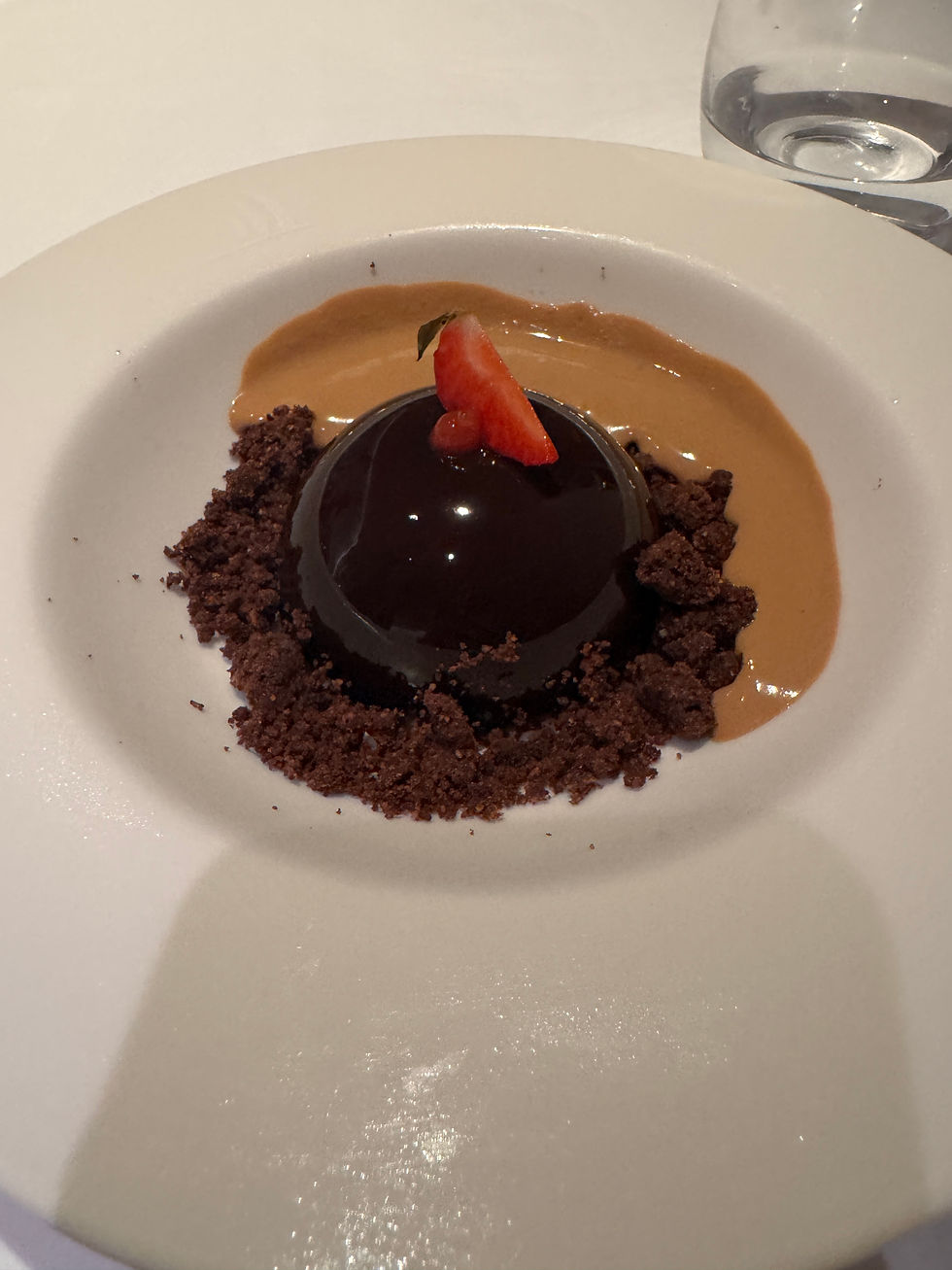
French Technique Without Making French Food Exclusive
One thing I appreciate about PONANT is that its food can be recognizably French without requiring everyone onboard to be a French food enthusiast.
Foie gras is probably the most obvious example from my own experience. But I would not describe the cuisine as simply old-fashioned French cooking. It is more about French techniques and traditions being used with a modern approach.
That distinction is important on an international ship.
If you serve completely traditional French cuisine in a rigid way, you risk making the experience feel exclusive. French technique, on the other hand, can provide a recognizable identity while still allowing the food to appeal to guests from very different culinary cultures.
For me, that is one of PONANT's strengths. The French identity remains visible without becoming a barrier. You might encounter something as traditionally French as steak with foie gras, beautiful French pastries or excellent sauces, but the overall experience does not feel like you have stepped into a restaurant from the 1950s.
The Real Challenge Is Consistency
As someone who has cooked seriously for nearly twenty years, I look at food slightly differently from the average passenger.
I don't think one spectacular dish tells you very much about a kitchen. Consistency does.
A restaurant is only as strong as its weakest link. That means breakfast, lunch and dinner all matter. So do the bread, sauces, pastries, wine and the way dietary requirements are handled.
My own experience with PONANT was very positive. There were occasions when I thought a sauce could have used more flavour, but the overall quality of the cooking was very good, among the better cruise dining I have experienced. The wines were excellent, and I particularly appreciated how flexible the chefs were with my unusual food allergies.
That last point is important because luxury hospitality is ultimately about the individual experiencing it. A chef may be proud of a spectacular dish, but if the guest cannot eat it, that dish means very little to that person. Hospitality requires flexibility as well as culinary ambition.

Can You Really Produce Fine Dining at Sea?
This is where I think passengers sometimes underestimate what is happening behind the scenes. A restaurant on land has access to markets, suppliers and deliveries in ways a ship simply does not. Freshness can become a challenge when a vessel spends longer periods away from port. Storage is limited. Provisioning has to be planned. Flexibility is inevitably different. That does not mean the food has to be less ambitious. It means the operation has to be better organized.
PONANT itself describes the Ducasse partnership as a response to precisely this challenge: delivering high-quality cuisine under the constraints of being at sea, including in extreme environments. Alain Ducasse has described the challenge in those terms himself, emphasizing the organization required to maintain fine cuisine when sailing far from conventional supply chains.
That is why I find the relationship meaningful.
The real measure of culinary luxury is not whether a ship can produce one extraordinary plate. It is whether the entire operation can consistently provide very good food, excellent ingredients, strong technique and genuine flexibility while moving through the world. And that brings me back to the most important point. Hospitality is about the individual experiencing it, not the ego of the chef.
Ducasse brings an extraordinary culinary reputation and a demanding standard. PONANT has to turn that standard into an experience that works for real passengers, on a real ship, every day. That is where the partnership becomes interesting.

Read more about PONANT, Sustainability, special voyages and Life aboard their ships:
Is PONANT the Right Luxury Cruise for Food Lovers?
If gastronomy matters to you as much as the destination, the right voyage deserves a closer look. Sarasota Cruise Agency, the cruise-specialist sister brand of DeSalvio Travel, a Virtuoso-affiliated agency and a PONANT and Paul Gauguin Cruises Certified Expert, can help you explore PONANT's culinary programs and identify voyages that suit your interests.
Contact us when you feel ready, and we will begin, calmly and thoughtfully, exactly where you are in the process.


Comments